
Case Study: Transforming Textiles with Natural Dyes in Città Metropolitana di Milano


Introduction to Natural Dyes
The textile industry in the Città Metropolitana di Milano has experienced a remarkable transformation over the past few years, largely due to the introduction of natural dyes. This shift towards eco-friendly practices not only supports the environment but also enhances the aesthetic quality of textiles. With growing awareness and demand for sustainable fashion, natural dyes have become a game-changer in the industry.
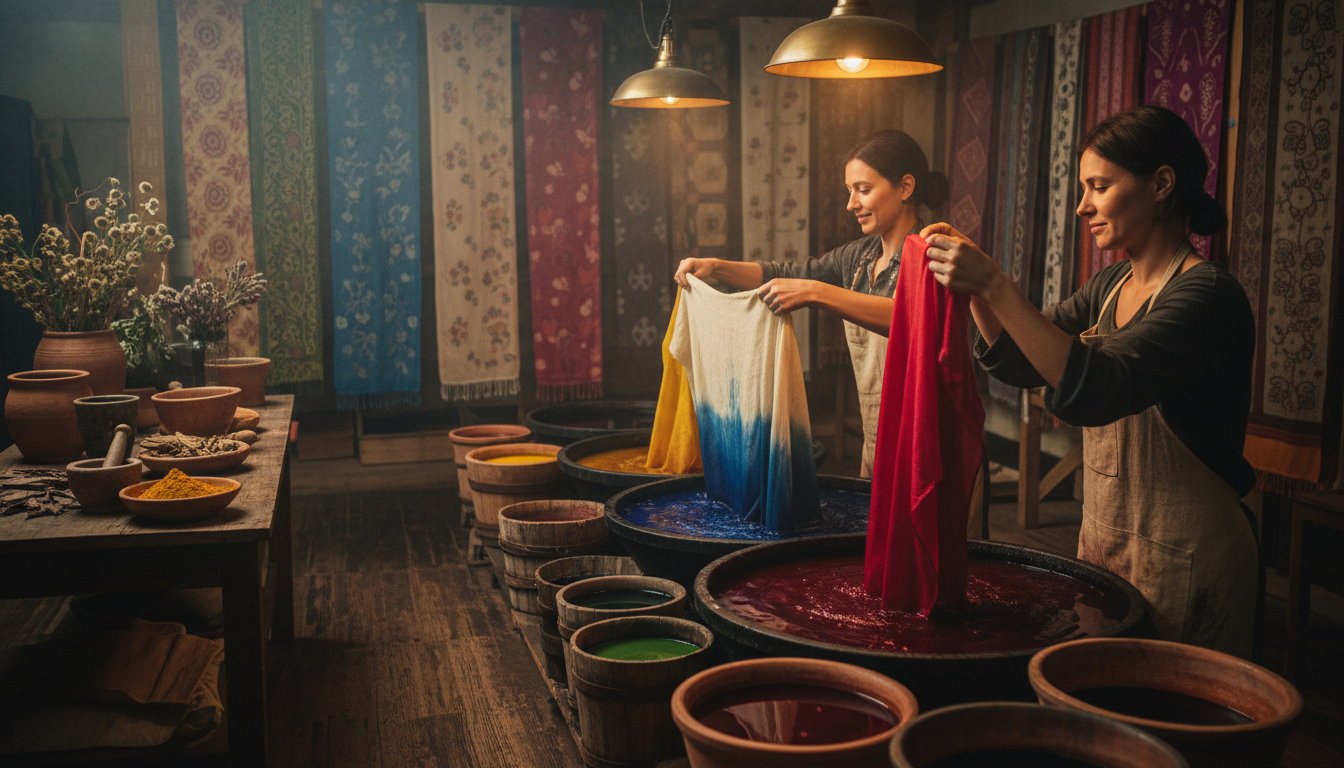
Natural dyes are derived from plant, animal, or mineral sources, offering a wide range of colors without the environmental impact associated with synthetic dyes. This case study explores how textile companies in Milan are adopting these practices to revolutionize their production processes.

Benefits of Natural Dyes
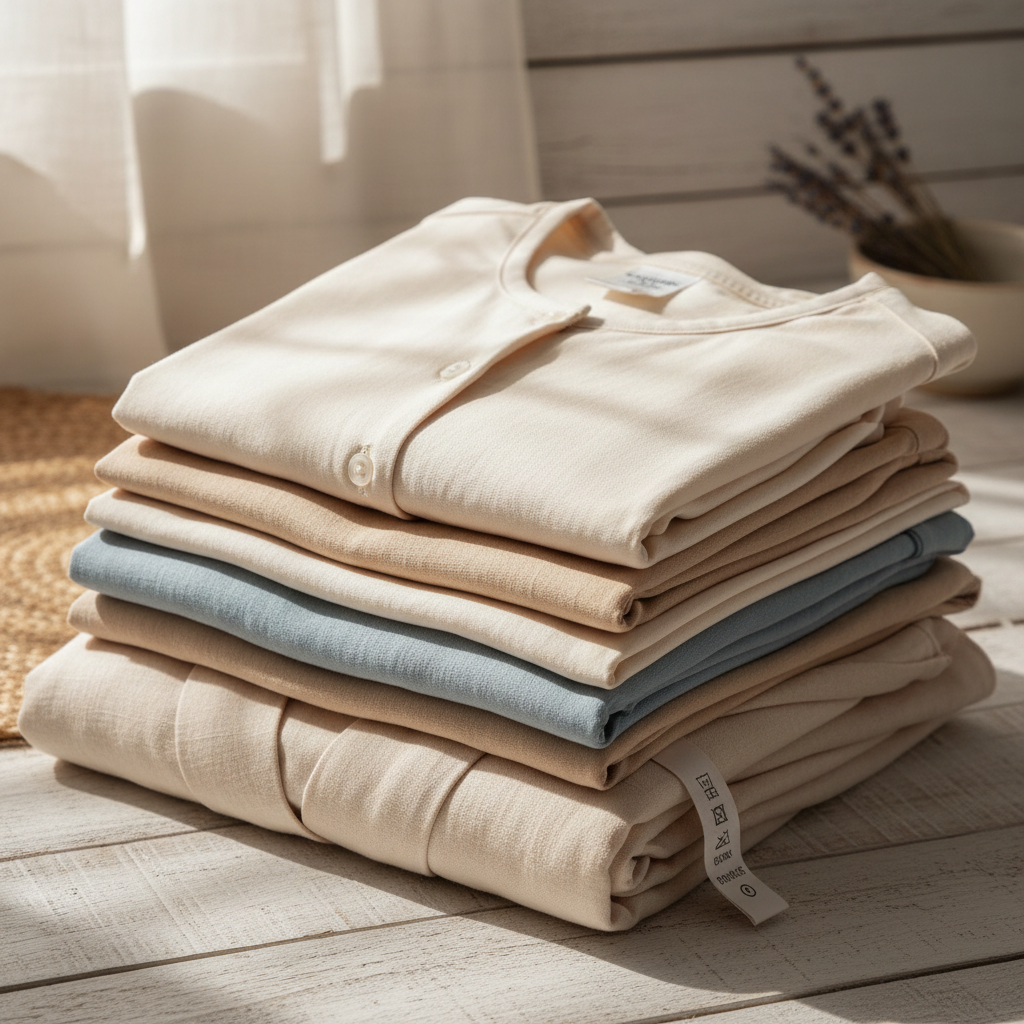
The adoption of natural dyes offers several benefits that go beyond environmental sustainability. Firstly, these dyes are biodegradable, reducing the pollution caused by textile waste. Additionally, they often result in softer, more breathable fabrics, which is a significant advantage for consumers focused on comfort.
Moreover, using natural dyes can enhance the durability of the fabric. Unlike synthetic dyes that may fade quickly, natural dyes often develop richer hues over time. This longevity contributes to the slow fashion movement, encouraging consumers to invest in quality over quantity.
Economic Impact on Local Businesses
For local businesses in Milan, the shift to natural dyes has opened up new economic opportunities. Artisans and small-scale producers have found a niche market catering to eco-conscious consumers. This transition has not only created jobs but also preserved traditional dyeing techniques that were at risk of disappearing.
Local farmers have also benefited, as the demand for dye-yielding plants has increased. This symbiotic relationship between agriculture and textile production fosters a sustainable economic model, supporting the regional economy.
Challenges and Solutions
Despite the numerous advantages, transitioning to natural dyes is not without challenges. The primary issue is the consistency of color, as natural dyes can vary based on factors like soil and climate. To address this, textile companies have invested in research and development to create more standardized dyeing processes.
Another challenge is the initial cost, as setting up infrastructure for natural dyeing can be expensive. However, many businesses have found that the long-term benefits, such as reduced waste management costs and increased market appeal, outweigh these initial expenses.
Future Prospects
The future of natural dyes in the Città Metropolitana di Milano looks promising. As technology advances, it is becoming easier to produce a wider range of colors with natural sources. Additionally, consumer demand for sustainable products continues to rise, pushing more companies to explore these eco-friendly options.
In the coming years, we can expect to see a further increase in collaborations between scientists, farmers, and textile manufacturers, leading to innovative solutions that make natural dyeing even more accessible and efficient.

Conclusion
The transformation of the textile industry in Milan through the adoption of natural dyes is a testament to the region's commitment to sustainability and innovation. By prioritizing environmentally friendly practices, businesses are not only reducing their ecological footprint but also setting a standard for others to follow.
This case study highlights the potential for natural dyes to revolutionize the fashion industry, offering a glimpse into a future where sustainability and style go hand in hand.